BLOG

What Is a Seed Corn?

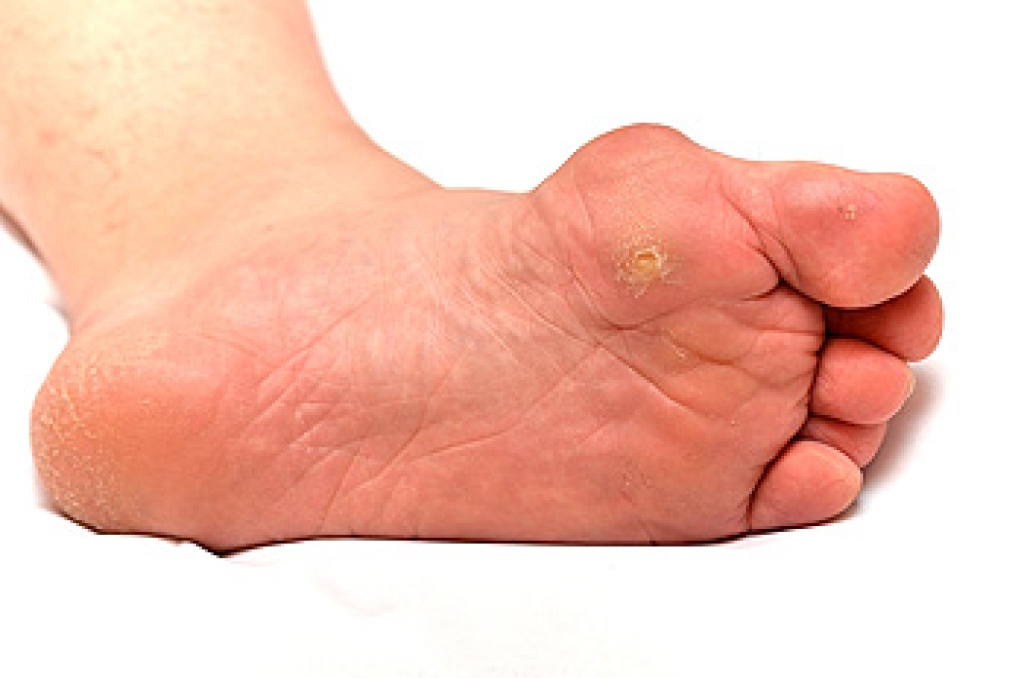
Corns are patches of thickened skin that develop on your feet, which can result from repetitive activities, wearing poorly fitting shoes, or underlying foot conditions. Among the different corn varieties, seed corns, also known as heloma miliare, can pose a unique challenge due to their small size, hardness, and often inconspicuous appearance on the soles of the feet. Seed corns are tiny, well-defined circular spots of hardened skin, commonly found in multiples on the sole where they create a distinctive pattern. Even though seed corns are often asymptomatic, they may cause discomfort or pain when pressure is applied, particularly in weight-bearing areas of the feet. Distinguishing seed corns from calluses is important for proper diagnosis and treatment. Unlike calluses, which are typically larger and can vary in shape, seed corns maintain a consistent round appearance. Additionally, calluses are more prone to form around the heel or the ball of the foot, while seed corns tend to cluster on the sole. For that reason, seed corns also can be mistaken for plantar warts. If you suspect you have a seed corn, it is suggested that you schedule an appointment with a podiatrist for an accurate diagnosis and appropriate treatment. 

Corns can make walking very painful and should be treated immediately. If you have questions regarding your feet and ankles, contact Stanley Luksenburg, DPM of Home Foot Care. Our doctor will treat your foot and ankle needs.

Corns: What Are They? And How Do You Get Rid of Them?
Corns are thickened areas on the skin that can become painful. They are caused by excessive pressure and friction on the skin. Corns press into the deeper layers of the skin and are usually round in shape.

Ways to Prevent Corns
There are many ways to get rid of painful corns such as:

  • Wearing properly fitting shoes that have been measured by a professional
  • Wearing shoes that are not sharply pointed or have high heels
  • Wearing only shoes that offer support

Treating Corns

Although most corns slowly disappear when the friction or pressure stops, this isn’t always the case. Consult with your podiatrist to determine the best treatment option for your case of corns.

If you have any questions, please feel free to contact our office located in Fairway Park, OH . We offer the newest diagnostic and treatment technologies for all your foot care needs.
Read more about Corns and Calluses

Mobility and Balance Problems in the Elderly

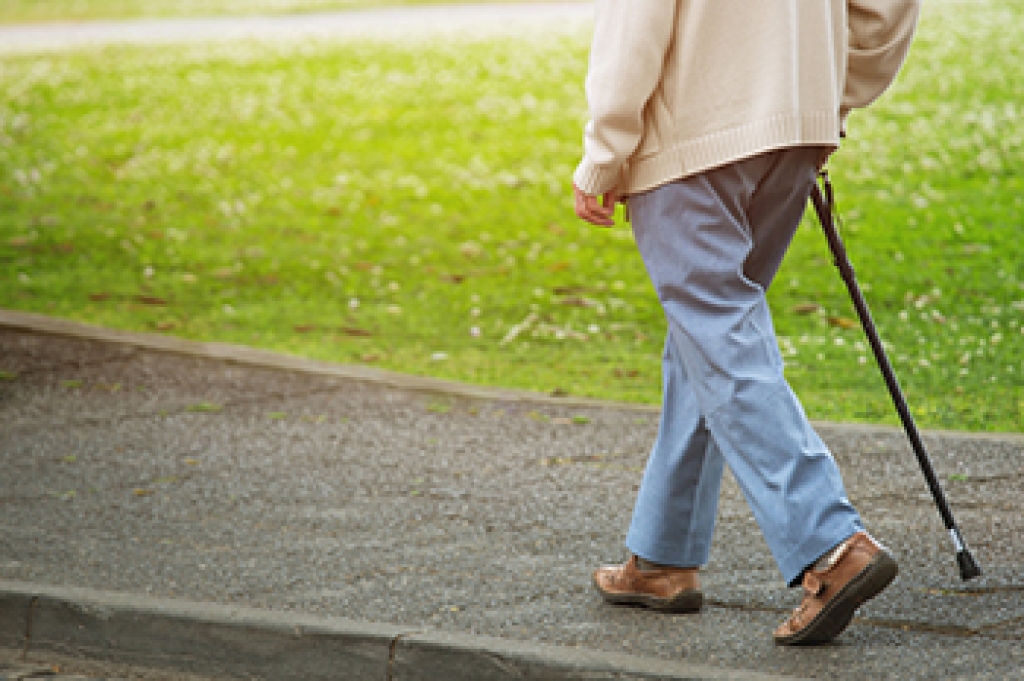
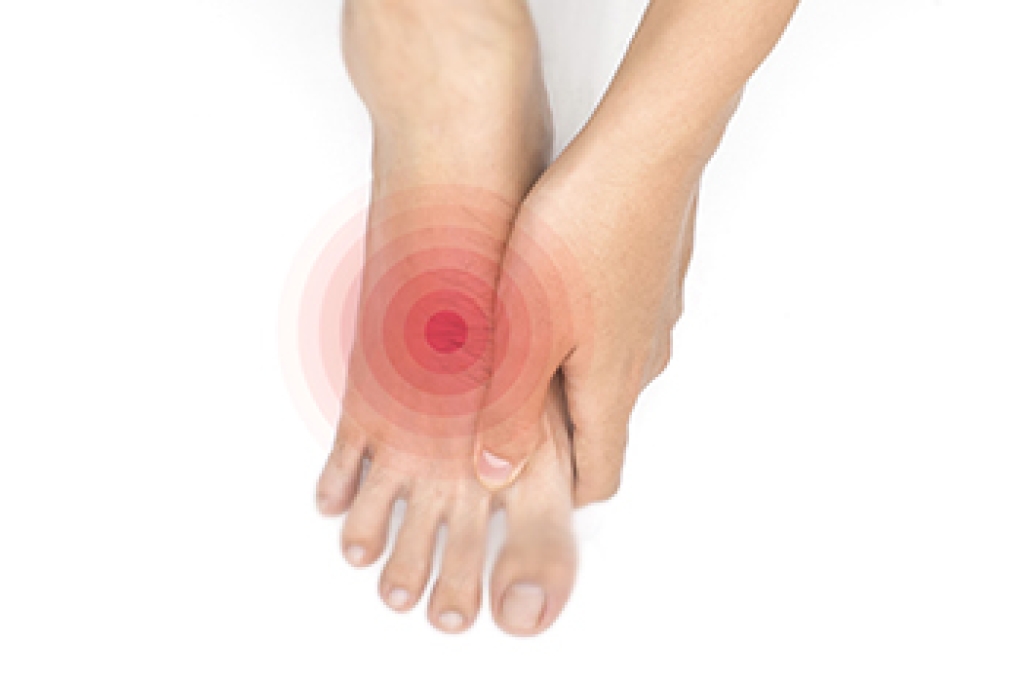
As people age, they often encounter mobility challenges, impacting their ability to move freely. These issues encompass unsteadiness while walking, difficulty in sitting or standing, and the risk of falling. Various factors contribute to these mobility problems in older individuals, including muscle weakness, joint ailments, pain, underlying diseases, and neurological difficulties. Sometimes, multiple mild issues combine, severely affecting mobility. The most common mobility concern among seniors is the risk of falling, which can lead to fractures, injuries, and a persistent fear of falling. Older bones are more fragile and take longer to heal. In cases of minor falls without serious injuries, assisting the person in getting up is vital. If the individual is in pain or injured, it is best to summon help. However, if they can move, they should crawl to a stable chair and use it for support. Falls can result in reduced mobility or bed rest, exacerbating existing medical conditions and leading to new health issues. Encouraging physical activity is essential to combat the fear of falling and its associated inactivity. Even minimal exercise strengthens bones and muscles, enhancing steadiness and preventing fractures. Additionally, conducting a home safety assessment and addressing potential hazards can further prevent falls. If you are a senior or caring for one, it is suggested that you schedule an appointment with a podiatrist for a thorough consultation and communication of any mobility problems and falls.

Proper foot care is something many older adults forget to consider. If you have any concerns about your feet and ankles, contact Stanley Luksenburg, DPM from Home Foot Care. Our doctor can provide the care you need to keep you pain-free and on your feet.

The Elderly and Their Feet

As we age we start to notice many changes in our body, but the elder population may not notice them right away. Medical conditions may prevent the elderly to take notice of their foot health right away. Poor vision is a lead contributor to not taking action for the elderly.

Common Conditions 

  • Neuropathy – can reduce feeling in the feet and can hide many life-threatening medical conditions.
  • Reduced flexibility – prevents the ability of proper toenail trimming, and foot cleaning. If left untreated, it may lead to further medical issues.
  • Foot sores – amongst the older population can be serious before they are discovered. Some of the problematic conditions they may face are:
  • Gouging toenails affecting nearby toe
  • Shoes that don’t fit properly
  • Pressure sores
  • Loss of circulation in legs & feet
  • Edema & swelling of feet and ankles

Susceptible Infections

Diabetes and poor circulation can cause general loss of sensitivity over the years, turning a simple cut into a serious issue.

If you have any questions, please feel free to contact our office located in Fairway Park, OH . We offer the newest diagnostic and treatment technologies for all your foot care needs.
Read more about Taking Care of Elderly Feet

Foot Complications Linked to Diabetes

Diabetes is a chronic condition that affects how your body processes glucose. While it primarily impacts blood sugar levels, it can also lead to various health complications, including those related to the feet. Diabetes-related foot problems are a serious concern that can result from uncontrolled blood sugar levels over time. One common issue is neuropathy, where prolonged high blood sugar damages nerves, possibly leading to numbness, tingling, or foot pain. This sensory loss can make it difficult to notice injuries or ulcers. Another complication is poor circulation, which can slow down the body's ability to heal. Inadequate blood flow can lead to slow wound healing and increase the risk of infections. Diabetes can also cause changes in foot structure which may lead to issues such as bunions, hammertoes, and Charcot foot, a condition characterized by weakened bones and joints. Preventing diabetes-related foot problems involves maintaining good blood sugar control and regular foot care, in addition to choosing appropriate footwear. If you have diabetes, it is strongly suggested that you are under the care of a podiatrist who can help you address and prevent foot complications.

Diabetic foot care is important in preventing foot ailments such as ulcers. If you are suffering from diabetes or have any other concerns about your feet, contact Stanley Luksenburg, DPM from Home Foot Care. Our doctor can provide the care you need to keep you pain-free and on your feet.

Diabetic Foot Care

Diabetes affects millions of people every year. The condition can damage blood vessels in many parts of the body, especially the feet. Because of this, taking care of your feet is essential if you have diabetes, and having a podiatrist help monitor your foot health is highly recommended.

The Importance of Caring for Your Feet

  • Routinely inspect your feet for bruises or sores.
  • Wear socks that fit your feet comfortably.
  • Wear comfortable shoes that provide adequate support.

Patients with diabetes should have their doctor monitor their blood levels, as blood sugar levels play such a huge role in diabetic care. Monitoring these levels on a regular basis is highly advised.

It is always best to inform your healthcare professional of any concerns you may have regarding your feet, especially for diabetic patients. Early treatment and routine foot examinations are keys to maintaining proper health, especially because severe complications can arise if proper treatment is not applied.

If you have any questions, please feel free to contact our office located in Fairway Park, OH . We offer the newest diagnostic and treatment technologies for all your foot care needs.
Read more about Diabetic Foot Care

Managing Infected Ingrown Toenails

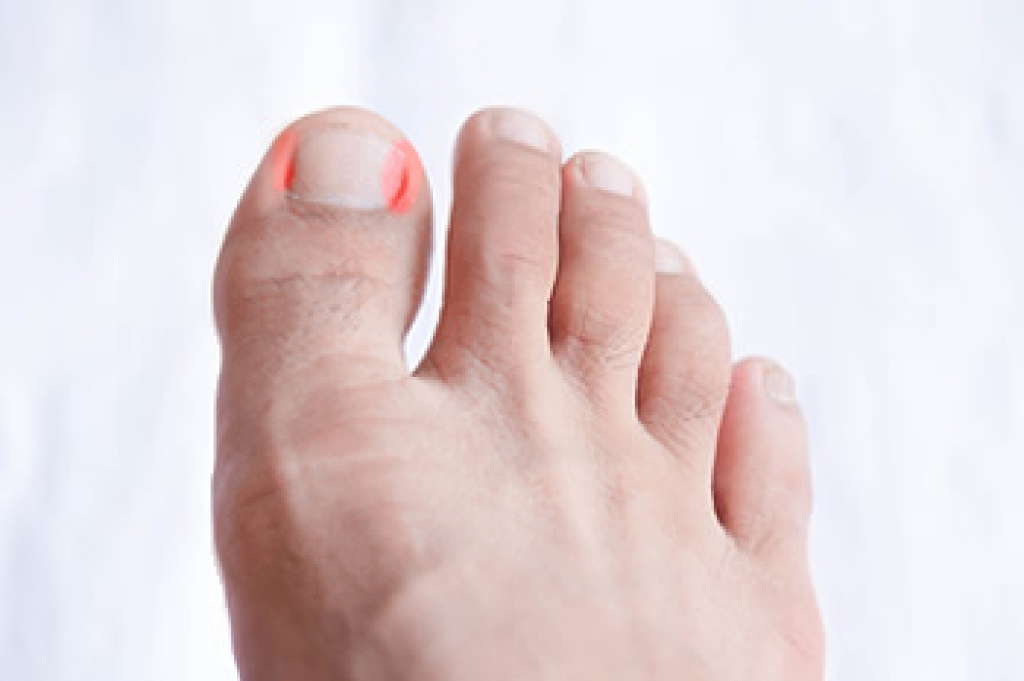
Ingrown toenails, a common problem causing pain and inconvenience, can affect anyone. However, they are most frequently seen in young adults and adolescents. These toenails usually affect the big toe but can affect other toes as well. Causes of ingrown toenails include direct trauma to the toe, genetic predisposition, improper nail trimming, and wearing poorly fitting shoes. There are three stages of ingrown toenails. Stage one involves redness, slight swelling, and pain at the lateral nail fold. Stage two presents with increased pain, discharge from the nail edge, and signs of bacterial paronychia. In stage three, hypertrophic granulation tissue forms on the lateral wall. Treatment ranges from the conservative to surgery. If you have an ingrown toenail, particularly if it appears infected, it is suggested that you schedule an appointment with a podiatrist to have the affected nail evaluated, and proper treatment given.

Ingrown toenails may initially present themselves as a minor discomfort, but they may progress into an infection in the skin without proper treatment. For more information about ingrown toenails, contact Stanley Luksenburg, DPM of Home Foot Care. Our doctor can provide the care you need to keep you pain-free and on your feet.

Ingrown Toenails

Ingrown toenails are caused when the corner or side of a toenail grows into the soft flesh surrounding it. They often result in redness, swelling, pain, and in some cases, infection. This condition typically affects the big toe and may recur if it is not treated properly.

Causes

  • Improper toenail trimming
  • Genetics
  • Improper shoe fitting
  • Injury from pedicures or nail picking
  • Abnormal gait
  • Poor hygiene

You are more likely to develop an ingrown toenail if you are obese, have diabetes, arthritis, or have any fungal infection in your nails. Additionally, people who have foot or toe deformities are at a higher risk of developing an ingrown toenail.

Symptoms

Some symptoms of ingrown toenails are redness, swelling, and pain. In rare cases, there may be a yellowish drainage coming from the nail.

Treatment

Ignoring an ingrown toenail can have serious complications. Infections of the nail border can progress to a deeper soft-tissue infection, which can then turn into a bone infection. You should always speak with your podiatrist if you suspect you have an ingrown toenail, especially if you have diabetes or poor circulation.

If you have any questions, please feel free to contact our office located in Fairway Park, OH . We offer the newest diagnostic and treatment technologies for all your foot care needs.

Read more about Ingrown Toenail Care

Injury From a Winter Sport? Get the Care You Need

Winter sports can be fun for many – but only with the proper protective gear. Even with the right equipment, however, injuries can happen. If you’ve sustained foot or ankle trauma or a foot or ankle injury, we’re here to help.